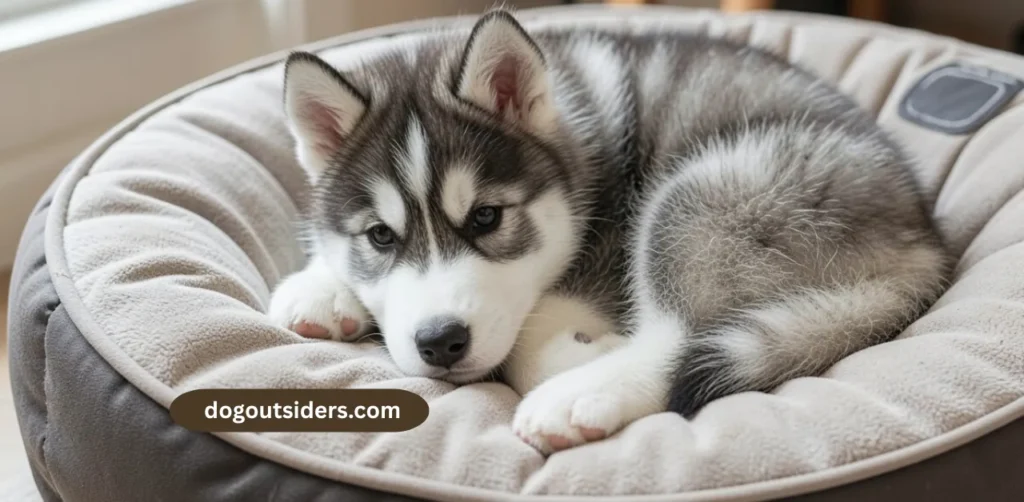
That new Husky puppy of yours is a whirlwind of fluffy chaos, isn’t it? One minute they’re adorable, the next they’re scaling the baby gate or ignoring your very existence. If you’re feeling overwhelmed, take a deep breath. You’re not failing. You’re just learning that training a Siberian Husky is a different game.
Their “stubbornness” isn’t defiance. It’s a feature of their brilliant, independent, sled-dog brain. They were bred to think for themselves miles ahead of a musher. Your job isn’t to break that spirit, but to guide it. This guide gives you six breed-specific tips to do exactly that, turning your strong-willed pup into a willing partner.
Why Your Husky Puppy Seems So “Stubborn”
Forget what you know about training other breeds. Huskies are not Golden Retrievers, eager to please at any cost. They are intelligent, high-energy, and possess a powerful independent streak. This means they constantly ask, “What’s in it for me?” They also have a strong prey drive and an instinct to roam, which can override training in exciting environments. Understanding this is your first step. You’re not dealing with a disobedient dog, but with a smart one who needs a clear, rewarding reason to cooperate.
The 6 Training Tips That Work With Your Husky’s Brain
Tip 1: Master the Art of the High-Value Reward
- What to do: Find what truly motivates your Husky. This is often not their dry kibble. Use small pieces of boiled chicken, cheese, freeze-dried liver, or a special squeaky toy for training sessions.
- Why it works: Huskies are transactional. A high-value reward makes the transaction worthwhile, giving them a compelling reason to listen to you instead of a distracting squirrel.
- How long to practice: Use these rewards during 5-10 minute training sessions, 2-3 times a day. Phase them out to intermittent rewards once a command is learned.
- Common mistake to avoid: Using boring treats and expecting enthusiasm. If they spit it out, it’s not high-value enough.
Tip 2: Short, Sweet, and Super Fun Sessions

- What to do: Keep training sessions to 5-10 minutes maximum. Always end on a success with lots of praise and play. Make it the best part of their day.
- Why it works: A Husky’s attention span is short, especially when young. Short, positive sessions prevent frustration for both of you and keep them wanting more.
- How long to practice: 2-3 sessions per day, each just a few minutes long. Consistency over duration is key.
- Common mistake to avoid: Pushing for too long until the puppy gets bored or frustrated and quits. Quit while you’re ahead.
Tip 3: The “Come” Command is Non-Negotiable
- What to do: Start in a boring, enclosed space. Say “Come!” in a happy voice, run backward a few steps, and reward lavishly when they follow. Never call them for something they dislike (like a bath). Use a long training leash for safety as you progress.
- Why it works: Huskies are escape artists with a powerful instinct to run. A reliable recall is a critical safety command. The game of chase makes coming to you more fun than running away.
- How long to practice: Practice 5-10 times per session, multiple times a day in different low-distraction environments before ever trying it off-leash.
- Common mistake to avoid: Repeating “come, come, come!” when they ignore you. This teaches them the command is optional. If they don’t come, gently guide them with the long leash and try again easier.
Tip 4: Leash Training Without the War
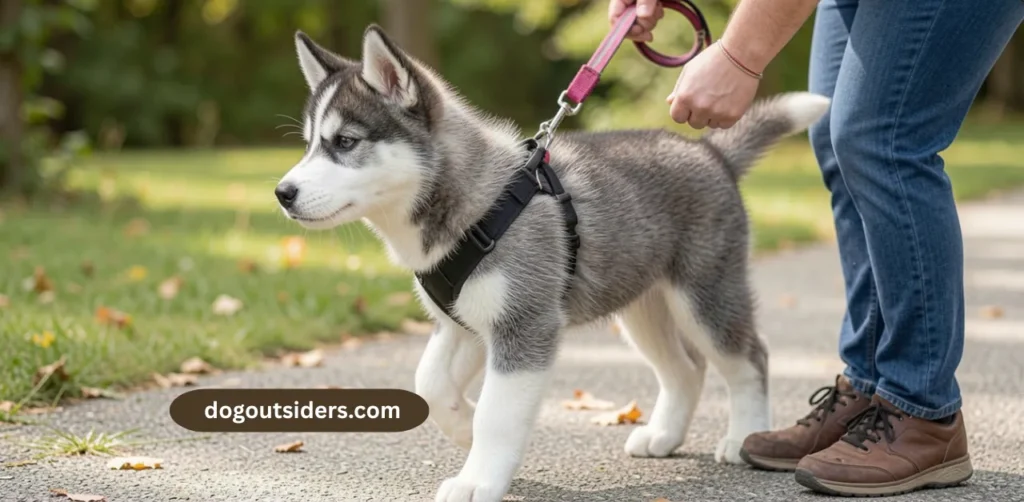
- What to do: Use a front-clip harness to reduce pulling power without pain. When they pull, stop dead in your feet. Become a tree. Wait for the leash to go slack (even for a second), then immediately start walking again and reward.
- Why it works: Pulling is self-rewarding for a Husky—they get to go where they want. By stopping, you remove the reward. They learn that a loose leash is the only way to move forward.
- How long to practice: Do this on every single walk, no matter how short. Your first few “walks” may only be 10 feet long. That’s okay.
- Common mistake to avoid: Jerking the leash or letting them pull “just this once.” Consistency is everything.
Tip 5: Channel the Digging & Chewing Instincts

- What to do: Create a designated “dig pit” (a kiddie pool with sand) and bury toys in it. Provide a variety of appropriate chew toys (rubber, nylon, rope) and rotate them to keep interest high.
- Why it works: You can’t eliminate instinct, but you can redirect it. Giving them an acceptable outlet for digging and chewing saves your yard and your shoes.
- How long to practice: Praise them every time you see them using their dig pit or chewing their own toy. This reinforces the right choice.
- Common mistake to avoid: Punishing them for digging or chewing after the fact. They won’t connect the punishment to the act. Just redirect in the moment.
Tip 6: Socialization Beyond Dog Parks
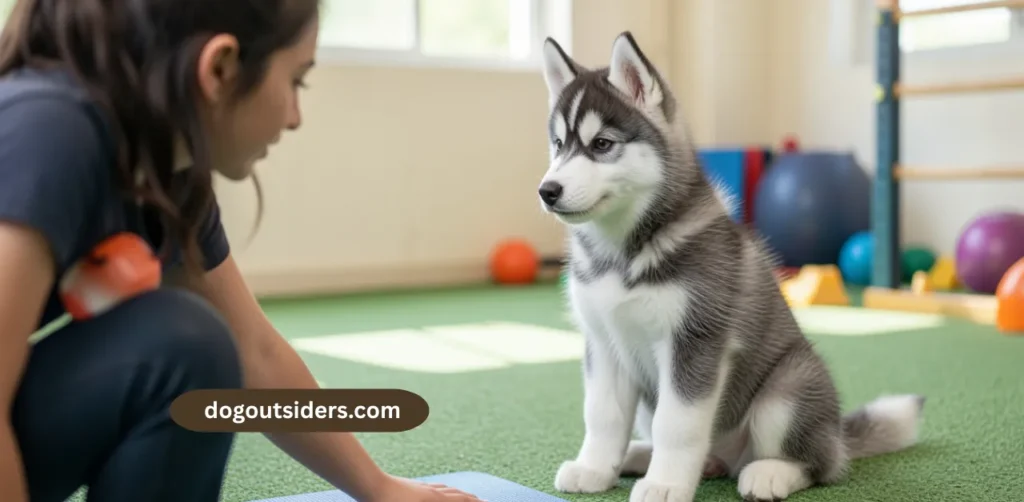
- What to do: Expose your puppy to a wide variety of people, sounds, surfaces, and calm, vaccinated dogs in a controlled way. Let them observe from a distance and reward calm behavior. Puppy classes are fantastic for this.
- Why it works: A well-socialized Husky is a confident, less fearful, and less reactive adult. It prevents fear-based aggression and anxiety later in life.
- How long to practice: Aim for several positive, new experiences each week during their critical socialization period (up to about 16 weeks old).
- Common mistake to avoid: Forcing them into scary situations or overwhelming them with too much at a bad dog park. Go at their pace.
Fueling Your Husky: Food & Nutrition Basics
A good diet supports a trainable brain. Look for foods with a named meat source (like chicken or salmon) as the first ingredient. Avoid vague terms like “meat meal.”
Toxic Foods to Avoid:
- Chocolate: Contains theobromine, which is toxic to a dog’s nervous system.
- Grapes & Raisins: Can cause sudden, acute kidney failure.
- Onions & Garlic: Can damage red blood cells and cause anemia.
- Xylitol: This artificial sweetener (in gum, peanut butter) causes a rapid drop in blood sugar and liver failure.
Feeding Schedule & Portion Guide:
- Puppy (under 6 months): 3 meals per day.
- Adolescent (6-12 months): 2 meals per day.
- Adult (1+ years): 2 meals per day.
| Dog Weight (lbs) | Daily Food Amount (cups)* |
|---|---|
| 10-20 | 1.5 – 2 |
| 21-40 | 2 – 3 |
| 41-60 | 3 – 3.5 |
| 61-80 | 3.5 – 4.5 |
| 81+ | 4.5 + |
- Water: Always have fresh, clean water available.
Keeping Your Husky Healthy & Happy
- Vet Visits: Stay on schedule for puppy shots and deworming.
- Dental Care: Start brushing teeth early or use dental chews approved by your vet.
- Exercise: Provide at least 60-90 minutes of physical and mental exercise daily. A tired Husky is a good Husky.
- Paw & Coat Care: Check paws for ice balls in winter and brush their coat 2-3 times a week to manage shedding.
Pro Trainer Tips for Husky Owners
- Use their name only for good things (treats, praise, walks), never for scolding.
- “Capture” calmness. Reward them with a treat when they’re just lying down quietly.
- Teach a solid “place” or “mat” command to give them an off-switch.
- Huskies are mouthy. Always have a toy handy to redirect their mouth onto.
- Train when they’re slightly hungry, not right after a big meal.
Your Husky Puppy Training Toolkit
- A front-clip harness
- A 6-foot leash and a 20-30 foot long line
- High-value treats (small, smelly, soft)
- A variety of chew toys
- A sturdy crate
- A treat pouch
- Poop bags
- Patience and a sense of humor
Conclusion: Your Next Step Forward
Training a Husky puppy is a marathon, not a sprint. There will be days you feel like you’re making no progress. But by using their intelligence and independence to your advantage with these tips, you are building a bond of mutual respect. Pick one tip from this list to focus on this week. You and your pup are in this together.
Trust & Safety
This guidance is built on common, positive-reinforcement-based principles used by many professional trainers for independent breeds like Huskies. From what’s widely seen in canine behavior circles, these methods foster cooperation without damaging the dog’s spirit.
For deeper learning, consider these trusted resources:
- AKC Training Basics: The American Kennel Club offers foundational guides on puppy training and breed traits.
- AVMA Socialization Guidelines: The American Veterinary Medical Association provides safe socialization checklists.
- WSAVA Nutrition Guidelines: The World Small Animal Veterinary Association has global nutritional standards for pets.
Pro Tips from the Field:
- If your Husky is blowing you off, end the session with a simple, rewarded command they know well (like “sit”) so you both end on a win.
- For leash training, practice in your hallway or garage first where there are zero distractions before hitting the sidewalk.
- Keep a small training journal. Note what high-value treats worked, what times of day they focus best, and your tiny wins. It helps on tough days.
Safety Note: If your puppy shows signs of aggression (not normal biting), extreme fear, or if you feel completely stuck, please contact your veterinarian or a certified professional dog trainer (CPDT-KA) who has experience with primitive breeds. There’s no shame in getting expert help.
FAQ’s:
You can start simple, positive training the day you bring them home, usually around 8 weeks old. Focus on their name, luring into a sit, and gentle handling.
Puppy biting is normal, but Huskies can be especially mouthy. When they bite you, give a high-pitched “Ow!” and immediately stop play. Turn away for 10-20 seconds. This teaches that biting ends the fun. Always have a toy ready to redirect their mouth onto. If they chew the toy, praise them. Consistency from everyone in the home is critical.
They are not hard to train in the sense of being unintelligent; they are incredibly smart. The challenge is their independent nature. They were bred to make decisions without human guidance, so they always weigh the options. Training a Husky is less about commanding and more about convincing and partnering. You need to be more interesting and rewarding than whatever distraction is calling their name.
Follow the general “5 minutes per month of age” rule for structured exercise like walks. A 4-month-old pup needs about 20 minutes of walk time, twice a day. However, Huskies need much more mental exercise. Training sessions, puzzle toys, nose work games, and safe socialization are just as important for tiring them out and preventing destructive behavior.
This is a serious, advanced goal for a Husky. Their prey drive and desire to roam are incredibly strong. Never trust a young Husky puppy off-leash in an unsecured area. Start recall training on a long training leash (20-30 feet). Reliability can take years of consistent practice in increasingly distracting environments. For most owners, a secure fence or a long line is the safest option for their Husky’s entire life.
This is classic Husky behavior. Inside is a boring, low-distraction environment. Outside is a sensory explosion of smells, sights, and sounds—far more rewarding than listening to you. You need to “proof” your commands by starting in a boring outdoor space (like your backyard) and very gradually adding distractions.
Take them out frequently: first thing in the morning, after naps, after meals, after play, and before bed. Use a consistent command like “go potty.” When they go outside, reward them immediately with a high-value treat and praise right there by the spot.