
Leaving a dog outside overnight can pose risks to their safety and well-being. Factors such as temperature, shelter availability, and neighborhood safety should be considered before making this decision. It’s crucial to ensure that your dog has proper protection from the elements and access to water and food if left outside. Being aware of local regulations regarding leaving pets unattended outdoors is essential to avoid any legal issues. Understanding your dog’s breed, age, and health conditions is also vital in determining if they can safely stay outside overnight. Always prioritize your pet’s comfort and safety above all else.
- Prepare Adequate Shelter: Ensure your dog has a suitable shelter and bedding to stay warm and dry overnight.
- Monitor Weather Conditions: Check the weather forecast and adjust your dog’s outdoor stay accordingly to keep them safe from extreme temperatures.
- Provide Essential Supplies: Equip your dog with reflective gear, identification tags, and water to ensure their safety during the night.
- Watch for Warning Signs: Be vigilant for signs of distress such as shivering, whining, or unusual behavior that may indicate discomfort or health issues.
- Consider Breed Suitability: Some dog breeds are better adapted to outdoor living, so assess your dog’s breed characteristics before deciding on overnight stays outside.
- Regularly Check Well-being: Keep a close eye on your dog’s health and behavior to ensure they are comfortable and healthy throughout the night.
Understanding Outdoor Overnight Stays
Risks
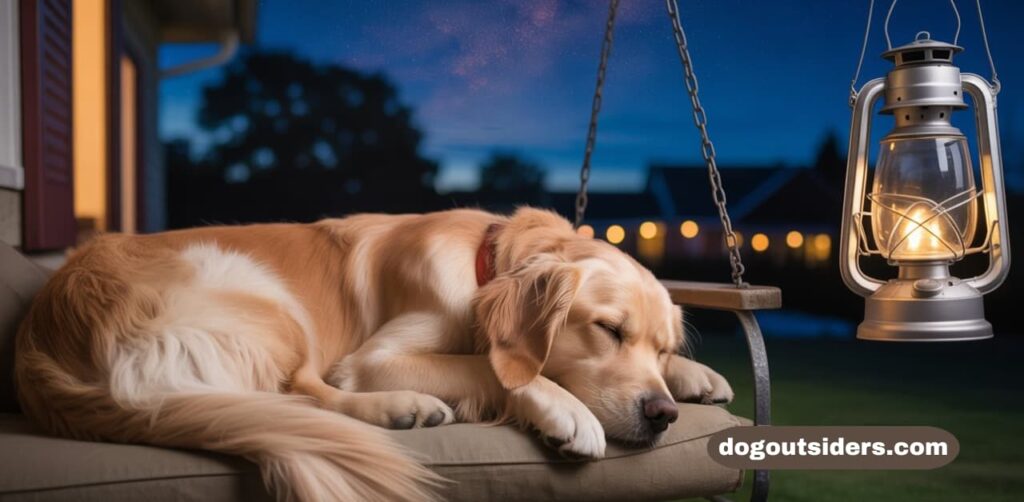
Leaving a dog outside overnight can expose them to various risks, including predators and extreme weather conditions. Dogs left unattended may become anxious or frightened, leading to behavioral issues.
Weather Impact
The sun can affect outdoor stays significantly. Extreme temperatures can pose health risks to dogs, especially during the summer or winter months. It’s crucial to provide adequate shelter and water for your pet.
Supervision Importance
Supervision during nighttime is essential to ensure your dog’s safety and well-being. Lack of supervision can result in accidents, injuries, or even the dog wandering off. Regular checks during the night can prevent any unforeseen incidents.
Preparing for Weather Conditions
Shelter
Ensure proper shelter is provided for your dog based on the weather conditions. This includes a dry and insulated area to protect them from extreme temperatures.
Adjust the outdoor time for your dog according to extreme temperatures. During hot weather, limit their time outside to prevent heat-related illnesses. In cold environments, make sure they are not left outside for extended periods.
Wind, Rain, and Snow
Consider how wind, rain, or snow can affect your dog when deciding to leave them outside overnight. These elements can lead to discomfort and potentially health issues if not properly managed.
Protective clothing such as coats or boots can help your dog stay comfortable in extreme weather situations. Provide extra bedding in their shelter during cold nights to keep them warm.
Personal Insights
I always make sure to check the outside temperature before leaving my dog outside overnight. It’s crucial to be aware of any sudden changes that could impact their well-being.
During heavy rain or snowfall, I ensure my dog has a waterproof shelter to avoid getting wet and cold. This simple step goes a long way in keeping them safe and comfortable.
Ensuring Proper Shelter and Comfort
Insulated Shelter
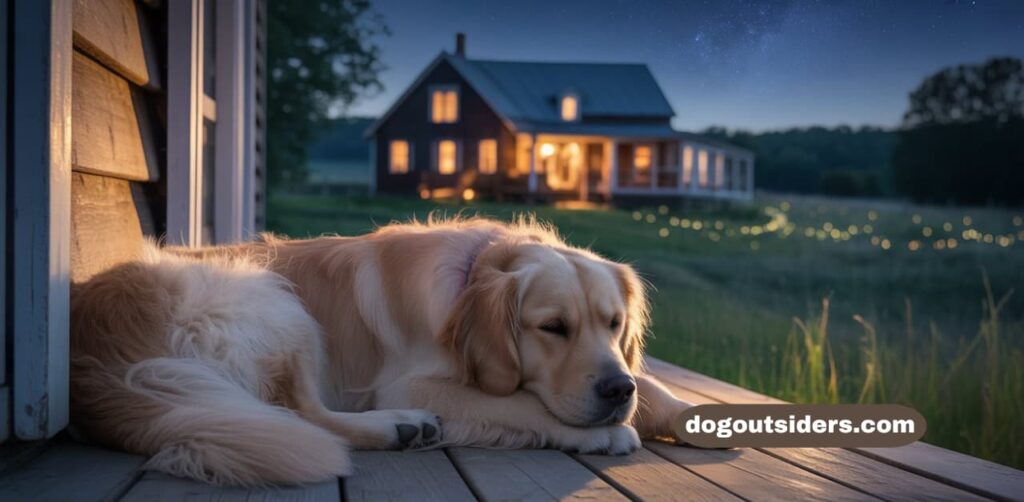
Invest in a well-insulated kennel to provide your dog with a safe and warm outdoor environment. The appropriate shelter will help protect your furry friend from harsh weather conditions. Make sure the kennel is large enough for your dog to move around comfortably.
Stock the shelter with appropriate bedding such as blankets or straw to keep your dog warm during the night. The bedding will provide extra insulation and comfort for your pet. Ensure that the bedding is changed regularly to maintain cleanliness and hygiene.
Waterproof Design
Ensure the shelter is waterproof to prevent rain or snow from seeping in and making your dog uncomfortable. A waterproof shelter will keep your pet dry and cozy throughout the night. Make sure the shelter provides adequate shade during sunny days to protect your dog from overheating.
When setting up the outdoor shelter, consider placing it in an area that is sheltered from strong winds. This will further enhance the comfort of your dog during overnight stays outside. Providing a door flap for the shelter can help retain warmth inside and keep out cold drafts.
Personal Experience
I once invested in a high-quality insulated dog house for my pet, and it made a significant difference during cold nights. My dog seemed much more comfortable and relaxed compared to when he used to sleep outdoors without proper shelter. It’s essential to regularly check the condition of the shelter and make any necessary repairs or replacements to ensure your dog’s well-being.
Essential Supplies for Nighttime Safety
Water Supply
Always have water accessible and cool for your dog. Dehydration can be a serious risk, especially during warmer nights. Ensure your dog has constant access to fresh water.
Shade Provision
Provide shade to prevent overheating during the night. This is crucial as dogs can easily overheat when exposed to direct sunlight or warm temperatures for extended periods.
Surface Consideration
Avoid hot surfaces that can harm your dog’s paws. Check the ground temperature before allowing your dog to walk on it. Hot pavements or surfaces can cause burns and discomfort to your furry friend.
Recognizing Warning Signs of Distress
Heatstroke
Be vigilant for signs of heatstroke in your dog, such as excessive panting, drooling, or rapid heartbeat. Avoid leaving your dog outside overnight in hot weather to prevent heat-related issues.
Keep an eye out for unusual behavior like restlessness or weakness, which could indicate heat exhaustion. Provide ample shade and water if your dog shows signs of distress.
Hypothermia
Watch for signs of hypothermia during cold nights, including shivering, lethargy, or pale gums. Ensure your dog has proper shelter and bedding to stay warm.
If you suspect hypothermia, bring your dog inside immediately and wrap them in a blanket. Seek veterinary help if the symptoms persist.
Breed Suitability for Outdoor Living
Coat Length
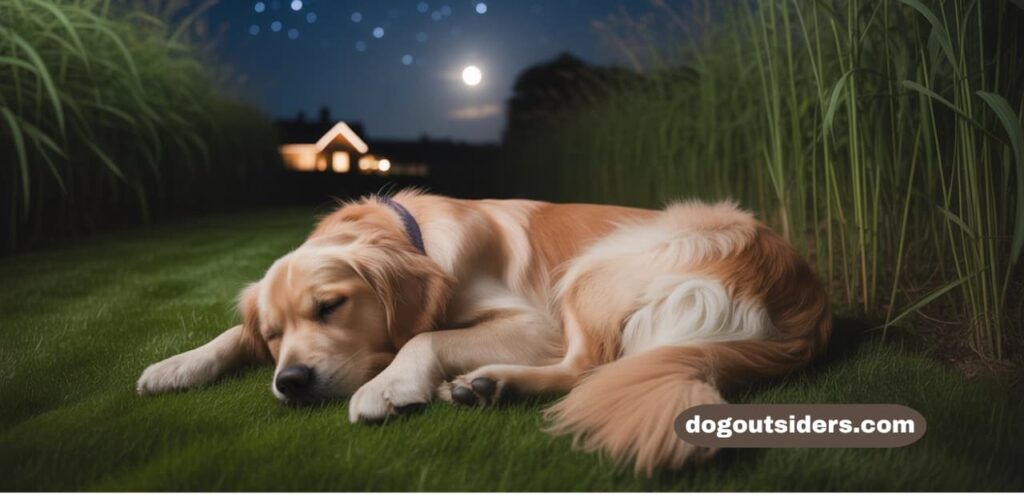
Consider your dog’s breed and coat length when deciding if they can stay outside overnight. Short-haired dogs may struggle in cold weather and need additional protection, like blankets or a heated shelter. Ensure your dog’s coat is suitable for the outdoor conditions.
Climate Tolerance
Evaluate your dog’s breed to determine if they can tolerate outdoor living. Some breeds are better suited for outdoor settings due to their natural resilience to various climates. Make sure your dog can handle the temperature fluctuations throughout the night.
Shelter Options
Provide adequate shelter options for your dog if they are staying outside overnight. A dog house with proper insulation, a cozy bed, and protection from the elements is essential. Consider installing a dog door for easy access to their shelter.
I have found that my short-haired dog requires a warm jacket during chilly nights to keep him comfortable outdoors. It’s crucial to observe how your dog reacts to different weather conditions before leaving them outside overnight. By understanding your dog’s specific needs, you can ensure they are safe and content in an outdoor setting.
Access to Food and Water
Providing Balanced Diet
Ensure constant access to food and water for your dog to maintain their health and well-being. Dogs left outside overnight should have a balanced diet rich in essential nutrients.
To support your dog’s outdoor lifestyle, offer a diet that includes protein, carbohydrates, fats, vitamins, and minerals. A balanced diet helps in maintaining your dog’s energy levels and overall health.
Consider consulting with a veterinarian to determine the appropriate portion sizes and types of food suitable for your dog’s breed and size. This ensures that your furry friend receives the necessary nutrition for their outdoor activities.
Keeping Water Cool
To prevent dehydration, ensure your dog has access to cool water at all times. You can keep water cool by burying a bucket in the ground partially filled with water.
Regularly check the water level and refill it as needed, especially during hot weather. Adequate hydration is crucial for your dog’s health, particularly when they are spending extended periods outdoors.
When temperatures soar, consider adding ice cubes to the water to provide additional relief from the heat. This simple trick can help keep your dog hydrated and comfortable throughout the night.
Assessing Your Dog’s Well-being
Monitoring Health Signs
Regularly check your dog for any signs of health issues. Look out for symptoms like lethargy, loss of appetite, excessive thirst, or unusual behaviors. Observing your dog’s physical condition can help detect potential problems early.
Weight and Condition Tracking
Monitor your dog’s weight and overall condition to ensure they are healthy. Maintaining a healthy weight is crucial for your dog’s well-being. Observe their body shape and adjust their diet and exercise accordingly.
Seeking Veterinary Advice
Seek veterinary advice if you notice any concerning changes in your dog’s behavior or health. Consulting a professional can provide valuable insights into your dog’s well-being. Veterinarians can offer guidance on maintaining your dog’s health and addressing any issues promptly.
Making the Decision: Is It Acceptable?
Evaluating Comfort and Safety
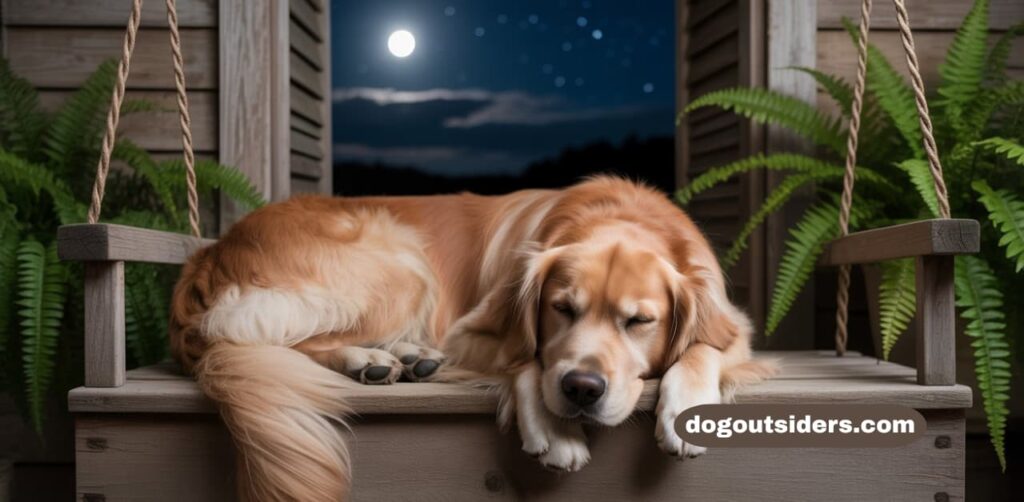
Consider if your dog is comfortable and safe outdoors before leaving them outside overnight. Ensure they have proper shelter, water, and protection from extreme weather conditions.
Leaving a dog outside can be beneficial for some breeds that are accustomed to outdoor living. However, it’s crucial to monitor their well-being and comfort levels regularly.
Considering Behavior and Well-being
Evaluate your dog’s behavior to determine if they are suitable for staying outside overnight. Some dogs may become anxious or distressed when left alone for long periods.
It’s essential to provide adequate mental and physical stimulation for your dog if they are spending the night outside. Interactive toys and comfortable bedding can help keep them occupied and cozy.
Seeking Professional Advice
If you’re uncertain about leaving your dog outside overnight, consult with a professional such as a veterinarian or animal behaviorist. They can provide guidance tailored to your dog’s specific needs.
Remember that every dog is unique, so what works for one may not work for another. Personalized advice from a professional can help you make an informed decision.
Final Remarks
In evaluating whether it is suitable to leave your dog outside overnight, consider factors like breed, weather conditions, and access to shelter, food, and water. Assess your dog’s well-being regularly and be attentive to any signs of distress. Remember, not all dogs are suited for outdoor living, so make decisions based on your pet’s individual needs. Your furry friend’s safety and comfort should always be the top priority.
Ensure you provide adequate care and attention when contemplating leaving your dog outside overnight. With the right preparation and consideration, you can create a safe and comfortable environment for your pet. Always prioritize their well-being above all else.
Frequently Asked Questions
Not all dog breeds are suitable for outdoor stays. Breeds with thick fur and cold-weather adaptations are better equipped. Consider factors like size, age, health, and temperament when deciding if your dog can stay outside overnight.
A sturdy dog house with proper insulation and ventilation is essential. Ensure it’s raised off the ground to prevent moisture seepage. Provide warm bedding like blankets or straw for comfort and warmth.
Monitor your dog’s behavior and physical condition. Signs of distress include excessive shivering, whining, seeking unusual hiding spots, or appearing lethargic. Regularly check for any injuries, pests, or signs of discomfort.
Leaving a dog outside overnight carries risks such as exposure to extreme weather, predators, or escape attempts. It’s safer to supervise initially or use a secure outdoor enclosure to ensure your dog’s safety.
Yes, access to fresh water and a meal before bedtime is crucial. Ensure the food and water containers are secure and won’t tip over easily. Monitor the levels regularly to ensure your dog has enough throughout the night.

Very nice post and straight to the point. I am not sure if this is truly the best place to ask but do you guys have any thoughts on where to hire some professional writers? Thank you 🙂