Of course, “dumb” is a strong word and no dog breed is truly dumb—the simple fact is that some are objectively smarter than others when it comes to dog intelligence. The Border Collie is widely recognized as the world’s smartest dog breed, with the Poodle coming in a close second. If some are the smartest, it only makes sense that certain dog breeds might be labeled as the dumbest, right?
However, this label often misrepresents what’s actually happening. Since the domestication of dogs, people have tried to train them to learn new tricks and jobs, and when it comes to determining a dog’s intelligence, there are certain traits that humans tend to prioritize over others—such as the ability to learn quickly.
But here’s where it gets interesting: research into this matter has been ongoing for decades. Professor Stanley Coren rated 130 breeds from the smartest dogs to the dumbest in a list originally published in 1994, yet the science on the results of such research is still up for debate. What we call “canine intelligence” might be more about obedience than actual cognitive ability.
How Humans Measure and Misunderstand Dog Intelligence
The Afghan Hound is often considered one of the least intelligent dog breeds, not because it lacks intelligence, but because of its strong independence and natural hunting instincts. Similarly, breeds like the Bulldog, Chow Chow, and Beagle can be more challenging to train. While these dogs may not respond to commands as quickly as others, it doesn’t mean they aren’t smart—they simply prefer to do things their own way and often require more time, patience, and consistency during training.
Despite being slower to learn obedience tasks, they can still be clever in many other ways.
Training Challenges and What They Reveal About Dog Smarts
Are you struggling to train your dog? Doesn’t your dog show enough eagerness to learn new things? One of the most challenging parts of having a dog is teaching them, which is closely associated with a dog’s intelligence. Some dogs learn words and commands faster, while others require a lot of repetition and patience. The dogs who learn faster are called intelligent dogs, while the late learners have been tagged as “dumb” or “less intelligent.”
Is Obedience the Only Measure of Dog Intelligence?
However, is a dog’s intelligence only about learning commands? Who are the least intelligent dog breeds? What is the most dumbest dog breed? How does it get measured? In today’s detailed post, we’ll briefly discuss all of these questions.
The Real Truth: Every Dog Thinks Differently
When it comes to canine intelligence, the dumbest dog breeds might not conquer commands, but they sure have conquered our hearts. Having worked with various breeds over the years, I’ve learned that what we perceive as stubbornness or lack of intelligence is often just a different way of thinking—these dogs are problem-solvers in their own right, just not always in the ways we expect or desire.
Understanding Canine Intelligence: What Really Makes Dogs Smart or Not?
When people talk about the dumbest dog breeds, they’re often misunderstanding what dog intelligence actually refers to. The process of acquiring information and conceptual skills, then storing them in memory, retrieving, combining, and comparing them isn’t as straightforward as many think. The real deciding factor is a dog’s capability to use these skills in new situations, and honestly, after working with various breeds over the years, I’ve learned that labeling any dog as “dumb” or “stupid” is not true to their actual potential.
Dr. Stanley Coren’s Groundbreaking Study on Canine Intelligence
Back in 1994, psychologist Stanley Coren, PhD, DSc, FRSC, wrote a book called The Intelligence of Dogs through Atria Books that changed how we understand canine intelligence. As a professor of canine psychology at the University of British Columbia, Coren explained beautifully how dog’s intelligence should be divided into distinct points. Dr. Coren ranked over 100 dog breeds based on three specific types of intelligence: Instinctive intelligence, Adaptive intelligence, and Working and obedience intelligence.
Instinctive Intelligence: The Skills Dogs Are Born With
Instinctive intelligence includes a dog’s ability to perform tasks like herding, pointing, fetching, guarding, or supplying companionship—essentially the features that dogs are born to do. This varies depending on the breed and origin country. For example, Huskies are sled dogs that can naturally run fast in snow and pull weights easily with their solid physical characteristics, while German Shepherds are guard dogs born with curiosity and learning desires, making them highly adaptive. These are skills dogs are born with and don’t need to learn.
Adaptive Intelligence: How Dogs Learn from Humans and Their Environment
Adaptive intelligence represents the capability to learn things from human beings and the environment—this type of brainpower helps with socializing and problem-solving skills. When you’re trying to train your dog, you must deal with your dog’s capability and remember that this capability also varies depending on the breed.
For example, Afghan Hounds have the lowest adaptive intelligence, which makes them seem like the least intelligent dog as they face issues understanding a new command and grasping the ways of executing it. Meanwhile, Border Collie is considered the most intelligent dog, able to learn 1000 proper nouns in a lifetime—so do not compare these breeds directly.
Working and Obedience Intelligence: Following Human Instructions
Working and obedience intelligence is evaluated based on a dog’s capability of following instructions. This feature has been tagged as “obedience,” and unfortunately, certain Stupendous dog breeds that refuse to follow their trainers’ instructions receive tags like “less intelligent.” But here’s the thing from my personal experience: bulldogs, one of the most stubborn dog breeds that don’t like to learn new tricks and words, will actually follow instructions if you have patience.
According to many of the breed’s immediate owners, these dogs sometimes pause before responding, but after repeating nicely, the dog does the task. They need the right technique and repetitive instructions to convince them.
Modern Research on Dog Intelligence by the University of Helsinki
The criteria for determining dog breed intelligence became more sophisticated when a comprehensive study on canine intelligence was published in 2022 in Scientific Reports by University of Helsinki researchers. Their paper on Breed Differences in Social Cognition, Inhibitory Control, and Spatial Problem-Solving Ability in the Domestic Dog (Canis familiarise) examined how different breeds displayed characteristics related to their breeding.
The smartDOG Test Battery: How Scientists Measure Dog Problem-Solving
Between March 2016 and February 2022, a total of 2,352 adult dogs went through cognitive and behavior tests called the smartDOG test battery. The methods used to test various traits included Greeting behavior, Activity level behavior, Exploratory behavior, Learning, Short-term memory, Inhibitory control, Problem-solving ability, Social cognition, Logical reasoning, Human-directed communication, and Persistence.
The test concluded that while some breeds performed as expected—like the Kelpie and Malinois that scored high in the gesture test, which you’d expect from these herding breeds—the Finnish Lapphund, also a herding breed, received the lowest score. This finding was particularly evident when examining the unsolvable task, where the Australian Shepherd was the least likely to abandon the challenge, while the Kelpie was among those most likely to abandon it.
What the Results Really Show About Dog Intelligence
The report demonstrated that breeds can vary behaviorally from each other even within their breed groups because different traits may have been both intentionally and unintentionally selected for in different breeds, despite the breed group they belong to. However, since only 13 breeds were tested, this hardly provides a comprehensive ranking of all breeds. The test didn’t cover the effects of training, environment, life experiences, or the background of the dogs, all of which contribute to intelligence.
The Real Takeaway: Every Dog Is Smart in Its Own Way
During one problem-solving task, the Belgian Shepherd Malinois performed best, while Golden Retrievers had the lowest scores, with more than 20% being unable to solve the task in 3 minutes. What matters most is understanding that a dog’s ability to independently problem solve and learn from previous experiences, or their ability to learn when taught by humans, doesn’t make them inherently inferior—it simply means they’re wired differently for the tasks they were originally bred to perform, whether that’s hunting or other specialized roles.
The features that denote what different dogs excel at shouldn’t be used as a measuring stick to call any breed “dumb.”
Dumbest Dog Breeds
When we talk about the dumbest dog breeds, we’re actually stepping into murky scientific waters. Dr. Brian Hare from Duke University in North Carolina points out something fascinating: most breeds are only 150 years old, which makes it incredibly difficult to distinguish genuine cognitive differences between them.
The research needed to scientifically prove which is the smartest breed would be staggering—you’d need at least 30 dogs from each breed, all puppies raised and tested in a similar manner to control for rearing history, age, and performance variables.
If we’re talking about AKC breeds or dogs worldwide, we’re looking at somewhere between 6,000 to 12,000 puppies, decades of work, millions of dollars, and about a thousand graduate students. Here’s what I’ve noticed in my years working with different canines: there’s as much variation within a single breed as between them. Take Labradors, for instance—those bred for the military versus assistance dogs are like comparing apples to oranges, yet they’re the same breed on paper.
Why “Dumbest Dog Breeds” Is a Misleading Idea
The whole concept of dumbest dog breeds really comes down to measuring intelligence through a narrow lens, and honestly, it’s more about our lack of understanding than any dog intelligence deficiency. Gina DiNardo, assistant executive secretary for the American Kennel Club, makes a crucial point: ease of training is a terrible way to assess intelligence. What humans often perceive as an animal being dumb is frequently just independence, stubbornness, or aloofness—all perfectly common characteristics in many breeds.
Training requires time and patience, and every individual dog is different. I’ve seen supposedly “slow” dogs master complex tasks when approached with the right training techniques. If you’re having problems, working with a trainer who can help you develop better skills to teach your pup makes all the difference. The truth is, dog intelligence isn’t a black-and-white matter.
There are no truly smart dogs and dumb ones—that’s just a throwback to a linear version of thinking about cognition, as if intelligence were a cup of coffee that’s more or less full. Every entire breed has its own skill set, and dogs are good at different things—they’re all geniuses in their own way.
What Stanley Coren’s Ranking of Dog Intelligence Really Means
Professor Stanley Coren’s book The Intelligence of Dogs created a list of the least intelligent dogs based on adoptive intelligence and obedience level. Certain breeds that consistently struggle to learn, retain, or obey instructions were categorized as less bright according to his system.
When a dog fails to take, remember, or execute commands, it gets labeled a “less intelligent dog.” These dogs might need 80 to 100 repetitions to understand a new command and only follow the first command about 25% of the time or fewer times.
But here’s what that ranking misses: these breeds often possess remarkable special abilities, natural talents, and unique abilities that standardized testing simply doesn’t capture. The challenge with this approach is that it doesn’t account for the diverse ways different breeds express their cognitive strengths beyond basic obedience.
The 10 Dumbest Dog Breeds & Their Traits
1. The Afghan Hound: Misunderstood Elegance
The Afghan Hound tops the list of dumbest dog breeds in The Intelligence of Dogs, though Afghan lovers would quickly disagree with this assessment. These magnificent Afghans are sighthounds that were bred to hunt across rugged terrain in their origin country of Afghanistan, relying on extraordinary speed, eyesight, and jumping capability rather than following commands.

Known by various names including Kuchi Hound, Tāzī, Balkh Hound, Baluchi Hound, Barutzy Hound, Shalgar Hound, Kabul Hound, and Galanday Hound, this breed represents one of the oldest breeds still around today—you can even find their pictures etched into walls in the northern province of Balkh. What makes them considered unintelligent is actually their independent nature and stubborn personality; they’re not easy to train because they prefer to think for themselves and approach things on their own terms.
These traits don’t mean they lack intelligence or adaptive intelligence—they’re simply wired differently as members of the sighthound family with excellent visionary power that makes them best hunting dogs and Protector Dogs. Their hunting capability, beauty, elegance, and regal air are undeniable, and their Survival Powers allow them to survive adverse situations from extreme hot temperatures to snow and extreme humidity, which means they rarely fall sick.
I’ve worked with these special companions and witnessed their devotion to humans firsthand—they’re incredibly loyal, loving, playful, and joyful once you earn their trust, though they can be aloof, standoffish, and reserved with strangers.
For Families looking for a loving dog with time to invest in creative training methods and plenty of opportunities to play, the Afghan can be rewarding despite sitting at the lowest level in traditional obedience rankings. These dogs are smart in ways that standardized tests don’t measure—their skill as a good protector of their family and their natural features make them exceptional.
With a lifespan of 12–14 years, they’ll be your companion for over a decade, bringing that signature combination of being both playful and aloof depending on their mood. One thing to watch: their long, thin, sensitive tail can hurt easily, so homes with young children need to teach gentle handling early on.
2. Basenji: The Cat-Like Canine That Defies Convention
The Basenji makes an interesting appearance on this list as the second least intelligent dog breeds, yet Surprisingly, they hold first position when it comes to following the first request—which should tell you something about how we measure canine smarts. This sighthound from the Democratic Republic of the Congo has earned a reputation for being difficult to train, but people who describe this breed often mention its feline qualities—in fact, Basenjis groom themselves like cats and display that same mix of independence and aloofness.

What the author of ranking systems might miss is that these dogs are intelligent, curious, and moderately playful, much like inquisitive toddlers who are smart enough to get into trouble if you don’t watch them carefully. Raising a Basenji can feel like taming a wild animal—they’re watchful, wary, and while most will bond deeply with their owners, they may or may not warm up to your friends.
The Bottom line is that these dogs are stubborn, which means they aren’t consistently obedient, but they absolutely can be trained when you use Positive methods as the best approach. It’s clear that what some interpret as lower adaptive intelligence is actually higher obedience when trained properly, and these reasons for why they’re taken as dumbest dog breeds don’t paint the full picture of their Decision-Making Power and unique cognitive abilities.
Here’s what makes Basenjis fascinating as one of the hunting breeds: they possess genuine decision-making power that they often use for their own benefit, particularly when hunting for food, which is why most trainers rely on food rewards to train them effectively. These Sweet, high-energy, fastidious dogs are extremely loyal, protective, and courageous, making them a perfect family dog for Active families, canine competitors, and experienced owners willing to invest the care needed.
However, an owner needs to be careful around small animals—Experts recommend that they be introduced to small pets with proper restrictions and supervision. As a Company Dog, the Basenji is high-spirited and will love to play and be around humans, making them ideal companions if you’re looking for an engaging pet with a lifespan of 13–14 years. But keep in mind these dogs are escaping masters who can climb trees and run long distance, so you’ll need to pay attention to securing your yard and staying vigilant during outdoor time.
3. Bulldog: The Misunderstood British Icon
The Bulldog is a breed known for its stubbornness, which has landed it in third position on the Coren list of least intelligent dog breeds. Bulldogs belong to the United Kingdom and have long served as a symbol of British national spirit, yet they hold a spot among dumbest dog breeds on this list because they’re pretty stubborn and typically learn only a few commands.
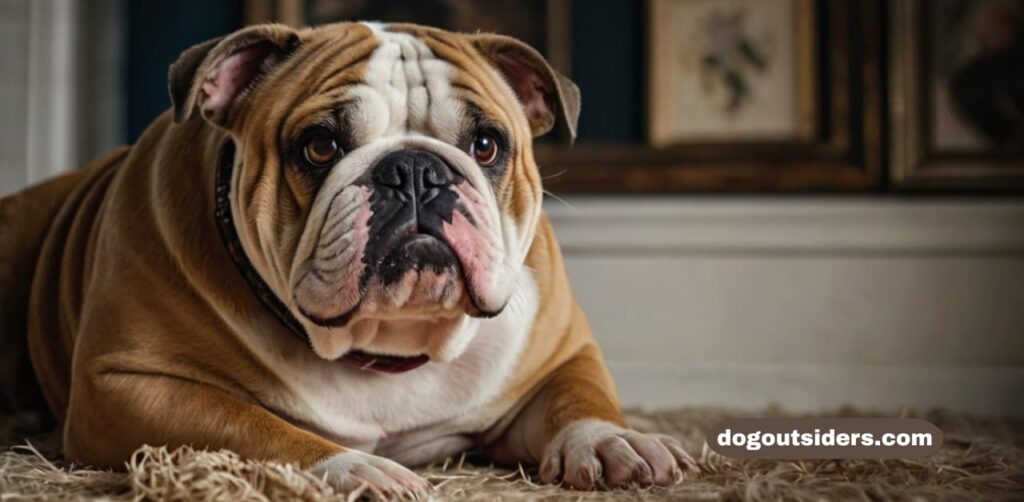
Here’s where things get interesting: while Dr. Coren’s list marks them as difficult to train and not intelligent enough, the American Kennel Club classes Bulldogs as quite trainable—talk about conflicting opinions! Professor Coren has advised us to be careful while training bulldogs, but are they really dumb? Just look at the famous skateboarding and surfing Bulldogs you’ve probably seen online—these dogs are definitely capable of learning complex skills that require balance, timing, and serious coordination.
I’ve worked with several Bulldogs over the years, and while they’re aslo considered among the dumbest dog breeds, their reluctance to follow commands often stems from independence rather than inability.
Bulldogs are frequently labeled as lazy, spending their days lying on the couch, but clearly, many enjoy far more vigorous activities than snoozing. Their athletic body, though compact and muscular, enables them to be surprisingly agile when motivated.
As a Guard Dog, they’re courageous, fearless, and protective—qualities that make them an excellent guard dog despite their reputation for being couch potatoes. What people often miss about this breed is their deep emotional intelligence; they’re incredibly Affectionate, loyal, loving, and friendly with those they trust.
Current data shows that Bulldogs are remarkably Kid-friendly, displaying a friendly and compassionate nature around kids and families. Their calm tenacity makes them ideal for apartments where space is limited but love is abundant. These dogs form strong bonds with households that include older children who understand how to interact respectfully with pets. With a lifespan of 8–10 years, they’re relatively short-lived companions, which makes every moment with them precious.
Best suited for Experienced dog owners and single people who appreciate their unique personality, Bulldogs require patience and understanding. Yes, they can be challenging during training sessions, but their protective instincts and unwavering devotion compensate for what standardized intelligence tests might miss. The key is recognizing that stubbornness doesn’t equal stupidity—it’s often just a Bulldog being a Bulldog, deciding whether your request is worth their energy.
4. Chow Chow: The Stubborn Teddy Bear With Ancient Roots
Chow Chows may look like adorable teddy bears, but don’t expect them to be the cuddly type—these dogs are far more complex than their fluffy appearance suggests. Originally bred in China where they hail from Historically, Chows served multiple purposes as guard dogs, hunters, and pulling dogs, though they were also bred for meat and fur in their homeland.
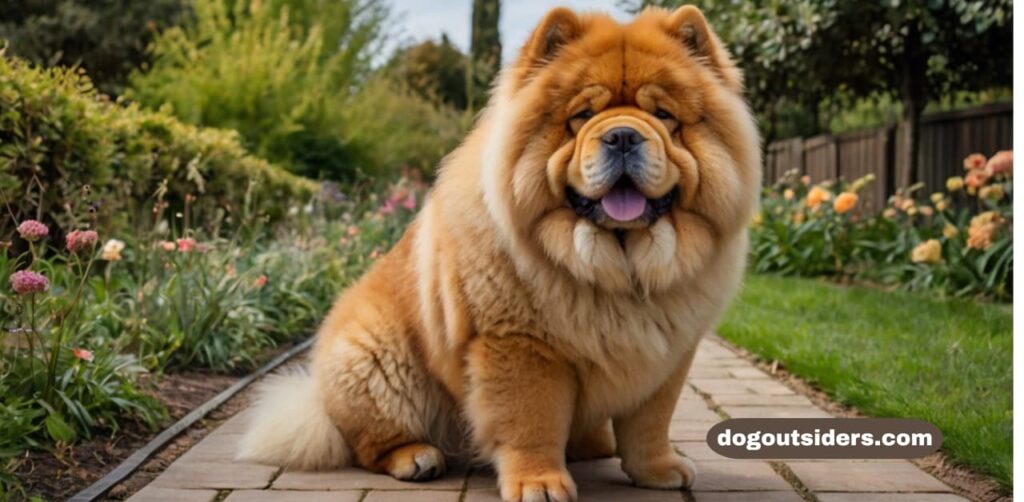
This breed lands a spot on the list of dumbest dog breeds not because they lack cognitive ability, but because they’re incredibly difficult to train and hard to train due to their strong-willed, stubborn nature. Professor Coren famously said something along the lines that there’s probably furniture out there more trainable than chows, which speaks to their reputation for lower intelligence in obedience rankings. However, anyone who’s spent time with these Reserved, dignified, loyal, adaptable, smart, and independent creatures knows they’re actually quite intelligent—they simply have minds of their own and won’t perform tricks just to please you.
The reasons they require firm yet positive training and extensive socialization starting from an early age are rooted in their serious, aloof personality, but when raised properly, they become noble and devoted companions perfect for Experienced families with older children or singles who appreciate their unique temperament.
What makes Chow Chows fascinating as Family Pets is their dual nature—they’re pretty alert dogs with excellent Alertness who remain distant from strangers and aren’t particularly social with other dogs, making them good guard dogs who stay active enough to protect the house with just a bit of exercise. They’re compassionate with family members, surprisingly friendly and caring with kids, which transforms them into ideal family pets despite their grumpy reputation.
One important consideration: this breed isn’t suitable for hot and humid areas as they’re extremely sensitive to high temperatures and will avoid physical activity during warm weather. With a lifespan of 8–12 years, these magnificent animals offer a decade of loyalty to those patient enough to understand them.
5. Borzoi: The Aristocratic Russian Sighthound
The Next breed on our exploration is the Borzoi, a magnificent sighthound that originate from Russia and Belarus with a rich pedigree stretching back centuries. People looking for a beautiful dog shouldn’t be afraid to put in serious work with this breed, as Borzois rank fifth on the list of least intelligent dog breeds—though that label has more to do with their independent freethinker mentality than actual cognitive deficiency.
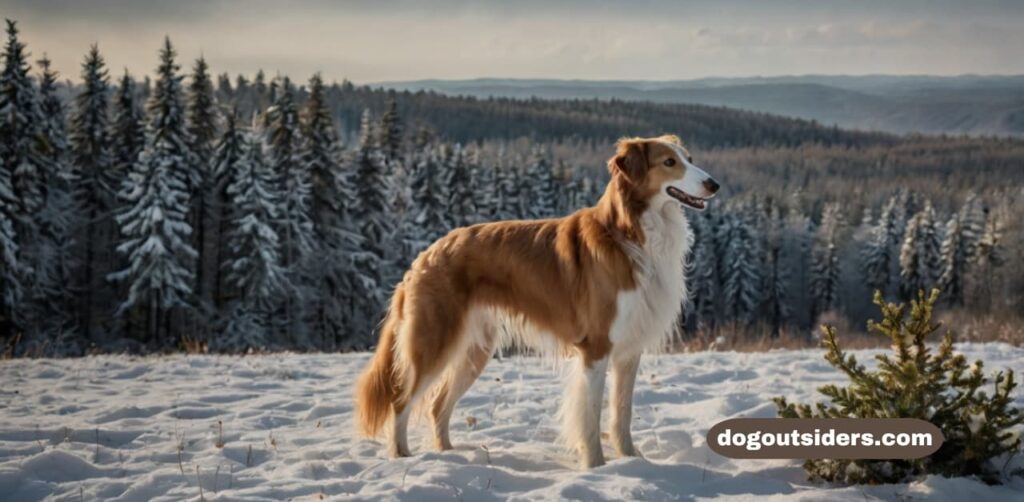
These dogs are notoriously difficult to train not solely because of lower intelligence, but because they love their independence and can become stubborn about maintaining it, making the whole training period quite troublesome. Experts have stated that a Borzoi trainer needs to be patient, consistent, and good-humored since teaching them requires a different approach—training this dog breed is truly an exercise in patience.
What works best are frequent, short training sessions rather than hour-long classes, as their attention span reflects their selective engagement with tasks they consider worthwhile. While they enjoy chasing and fetching games where their sighthound abilities truly shine, they must be kept on a leash in public due to their strong prey drive. Despite landing among the least intelligent dog breeds, teaching them isn’t impossible—it just demands understanding their Calm, agreeable yet stubborn and protective personality, with a lifespan of 9–14 years to master the relationship.
What makes Borzois special as Gentle Dogs is that they’re known for being gentle, graceful, affectionate, and displaying a distinctly independent nature. This breed loves spending time with family but sometimes keeps aloof from even their favorite human being to enjoy some me time—Due to this regal demeanor, they’re often called the “aristocrat of dogs.”
As Pet Friendly companions, they’re remarkably good and caring with other pets and kids, making them an ideal family pet for households that appreciate their sophistication. However, their sighthound instincts mean they’ll chase smaller animals unless this behavior is controlled through proper training from puppyhood.
6. Bloodhound: The Scent-Obsessed Genius in Disguise
If you’ve ever witnessed the aurora borealis—those colorful northern lights that create a mesmerizing display as they transforms the night sky into a brilliant sight to behold—you might begin to understand how a scenthound like the Bloodhound sees the world through its sensitive nose.
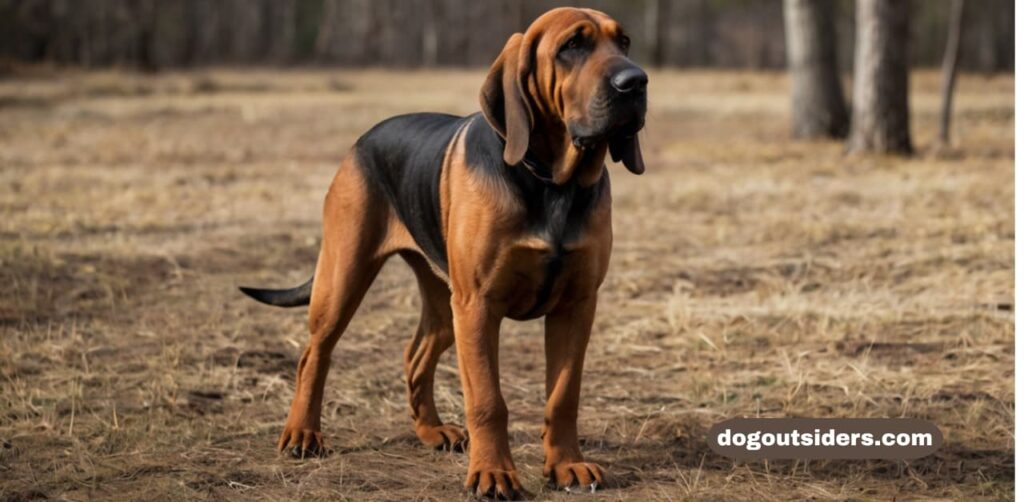
The Bloodhound ranks as the sixth least intelligent dog breed and is considered among the dumbest dog breed on this list, yet this label misses the entire picture of what makes these dogs extraordinary. Originally hailing from the United Kingdom and Belgium, Bloodhounds are hard to train not because they lack smarts, but because they’re constantly distracted by glorious scents just waiting to be investigated—they possess a ton of energy, are notably stubborn and independent, and become absolutely relentless when following a scent trail.
Combined together, these unique skills can sometimes make them challenging to live with in typical home settings, but enter one in a tracking event and watch their special talents truly shine. Due to their extraordinary sniffing, tracking, and chasing ability, they’re pretty popular as guard dogs despite their obedience struggles, and they rank high in instinctive intelligence even if training them properly requires unusual methods.
Experts have suggested this breed needs lots of positive reinforcement, patience, and consistency from owners to achieve training goals—these Affectionate, even-tempered, patient, gentle yet stubborn and independent companions with a lifespan of 10–12 years are best suited for Active families, search and rescue workers, and houses with fenced yards where their noses can work safely.
Their Scenting Power is nothing short of remarkable—Bloodhounds have remarkable scenting power that’s approximately forty (or about 230 million) times stronger scenting ability than humans, which helps them find a culprit smoothly in law enforcement scenarios. Data has shown that a Bloodhound takes only 60 seconds to see (or rather, smell) a natural predator or target.
This sensory experience is so overwhelming for them that asking a Bloodhound to ignore interesting smells during training is like asking someone to ignore the spectacle when the night sky erupts with celestial beauty—it’s simply beyond their nature to resist what they’re biologically designed to pursue.
7. Pekingese: The Royal Lap Dog With Selective Obedience
The Pekingese ranks as the seventh least intelligent dog breed according to rankings, originally hailing from China where they served as a companion to Chinese Royalty during ancient times. Despite their placement among dogs with a lower level of intelligence, they remain known as one of the most popular companion dogs today—their loyal and affectionate temperament makes them perfect for Companion-oriented people with time to spend, families with older children, singles, and the elderly who appreciate their Affectionate, alert, watchful, and loyal nature.

One reason people might think they’re a little slow is the fact that these dogs are somewhat sloth-like at home, where they enjoy lounging around and surveying their domain like tiny monarchs. This behavior is due to their physical build and partly held over from their history as sacred pets of the ancient Chinese nobility—in fact, Pekingese were called “sleeve dogs” because members of the Imperial household carried these cherished companions snugly nestled within their voluminous sleeves.
Can you blame the Peke for enjoying the easy life after centuries of such treatment? With a lifespan of 12–15 years, these independent dogs have made Dr. Coren’s list not because they’re truly dumb, but because their Independent Thinking, strong will, and independent thinking approach help strengthen their relationship with their owner on their own terms.
What truly sets this breed apart is their Good companion qualities—they’ve been famous as lap dogs since ancient times and remain highly compassionate toward family and kids. Their little body houses pretty alert dogs who will bark when they sense something fishy, proving they’re far from unintelligent. These dogs have opinions and won’t simply follow commands blindly, which does make for some training challenges—you should Start training early and be consistent to see results.
While they made the list of least intelligent dog breeds and this placement hasn’t significantly impacted their popularity, the truth is they’re devoted to their loved ones and possess special abilities and natural talents that standardized tests don’t measure. I’ve worked with several Pekingese who demonstrated remarkable problem-solving when motivated by something they cared about, which suggests their cognitive abilities are simply channeled differently than more obedient breeds.
8. Beagle: The Merry Nose-Follower With Misunderstood Priorities
Much like Bloodhounds, Beagles prefer to follow their noses wherever interesting scents take them, which can sometimes get them into trouble during training sessions. The beagle holds the 8th position on this list as the least intelligent dog breed, yet their sweet, affectionate nature combined with a happy-go-lucky outlook might lead you to think they’re empty-headed when they’re actually quite clever about pursuing what matters to them.

Despite their place among the least smart dog breeds, they’re not the hardest to train—they’re just a little stubborn and can probably be motivated to overcome training obstacles with treats since they’re usually food-motivated. These Cheerful, affectionate, curious, energetic, and vocal companions can’t resist the urge to explore, smell the world, and chase small critters, which is why they’re described as “Merry” and remain popular pets for Active families, hunters, and experienced dog owners who appreciate their hunting heritage.
The beagle doesn’t howl or bark at strangers effectively, making it a poor guard dog—However, these friendly, playful dogs love spending time with family and have separation anxiety, which means they can become hyper and start destroying things when left unattended. With a lifespan of 10–15 years, they’re often seen as challenging due to behavioral quirks rather than genuine cognitive limitations.
What makes Beagles special as a Kid-friendly Dog is that they’re excellent with children—they’re highly energetic and play enthusiastically, establishing them as one of the most popular pet dogs in households worldwide.
Their Good Sense of Smell is extraordinary, and while they’re not considered traditional guard dogs due to their overly friendly nature, on the contrary, they possess a solid ability to detect scents and can alert their owner to interesting discoveries. These dogs prove that intelligence tests don’t capture the full spectrum of canine capabilities—what looks like distraction is actually a nose working exactly as evolution designed it to work.
9. Mastiff: The Gentle Giant That Learns on Its Own Terms
The large, laid-back Mastiff is such a chilled dog that you might be fooled into thinking there’s not much going on behind those soulful eyes—in fact, many people think they’re a little dense because of their relaxed demeanor and tendency to move slowly through life.
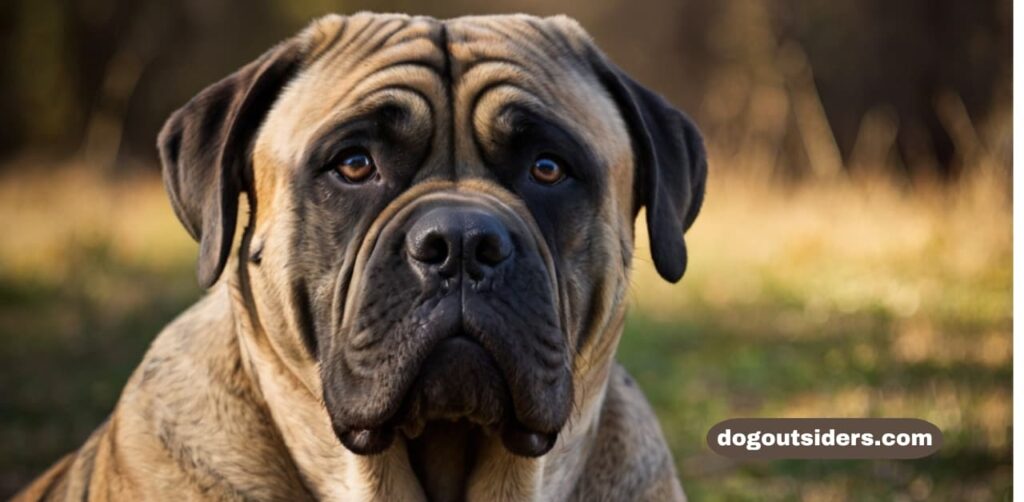
These Calm, protective, gentle, and fearless giants are a bit stubborn and can be challenging to train compared to other breeds, but here’s what most ranking systems miss: activity level and ease of training aren’t necessarily good indicators of true intelligence. Mastiffs are actually quite bright—they simply get bored of repetitive training easily, so the secret is to keep things short and positive during sessions.
Due to their impressive size and natural wariness of strangers, it’s absolutely essential for owners to start training and socialization early during puppyhood so these dogs develop into well-behaved and discerning companions who can distinguish between genuine threats and harmless visitors. With a lifespan of 6–10 years, they’re ideal for Families with plenty of room and those wanting an even-tempered guard dog that won’t overreact to every situation but will stand firm when protection is genuinely needed.
What I’ve observed working with Mastiffs is that their perceived slowness is actually thoughtful processing—they assess situations carefully before acting, which is precisely what you want in a dog of their power. These massive companions prove that intelligence comes in different packages, and sometimes the calmest, most measured response is the smartest one available.
10. Basset Hound: The Low-Slung Scent Detective
Much like the Pekingese, Basset Hounds can appear a bit lazy, which is in part due to their distinctively long and low bodies that give them that signature droopy appearance, combined with their genuinely laid-back personalities.
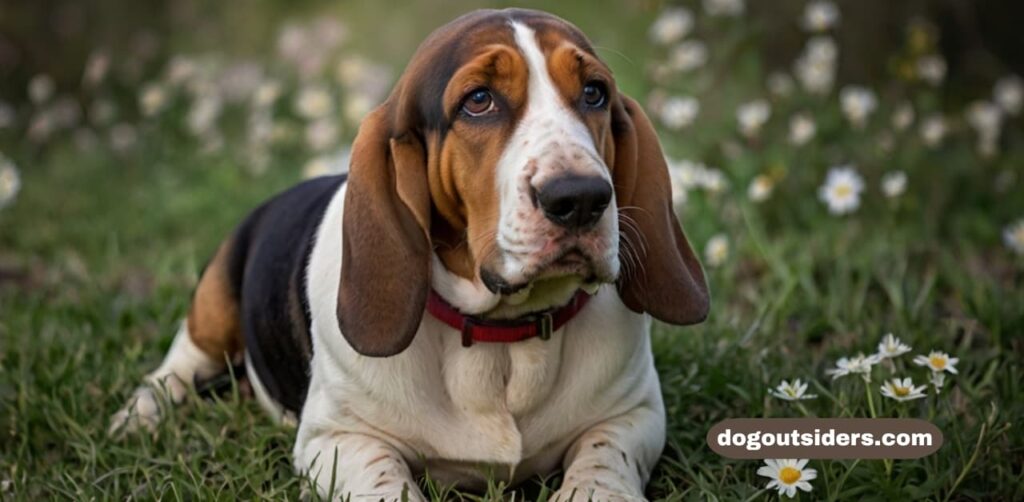
These Loyal, laid back, and stubborn companions are Bassets who share genetic traits with their scenthound cousins like Bloodhounds and Beagles, meaning they have considerable trouble ignoring the amazing scents floating around them long enough to concentrate on learning standard obedience commands. If you want an obedient dog who responds immediately to every request, you’ll need to train a Basset Hound consistently throughout their life—but don’t mistake this challenge for a lack of intelligence.
These dogs are actually bright and deeply affectionate dogs who simply prioritize their nose over your instructions, which makes them ideal for Active dog owners who are experienced with stubborn breeds, hunters who appreciate their tracking abilities, and outdoorsy types who understand that a dog following an interesting trail isn’t being disobedient—it’s doing exactly what centuries of breeding designed it to do.
With a lifespan of 12–13 years, Basset Hounds offer over a decade of companionship for those willing to work with rather than against their natural instincts. The key is recognizing that when a Bassets seems little stubborn during training, it’s often because competing sensory information is overwhelming their focus—teaching them requires patience and an understanding that intelligence manifests differently across breeds.
Conclusion
The label of “dumbest dog breeds” is fundamentally misleading and reflects more about our testing methods than actual canine intelligence. From the Afghan Hound’s independent spirit to the Bloodhound’s extraordinary scenting power, each breed on this list possesses specialized abilities that standardized obedience tests simply don’t measure. What Professor Stanley Coren’s rankings identify as low intelligence is often stubbornness, independence, or breed-specific priorities—traits that made these dogs exceptional at their original jobs as hunters, guard dogs, and companions. The Afghan Hound, Basenji, Bulldog, Chow Chow, Borzoi, Pekingese, Bloodhound, Beagle, Mastiff, and Basset Hound all demonstrate that intelligence comes in many forms.
These breeds aren’t dumb; they’re just selective about when and how they follow commands. Their difficulty in training stems from strong-willed personalities, powerful instincts, and independent thinking rather than cognitive deficiency. With patience, positive reinforcement, consistent training, and an understanding of each breed’s unique characteristics, these so-called “least intelligent” dogs prove themselves to be brilliant in their own ways—whether through loyalty, protective instincts, remarkable sensory abilities, or deep emotional bonds with their families. The real lesson here is that intelligence in dogs, much like in humans, cannot be reduced to a single measure, and every breed is a genius when doing what it was born to do.
FAQ’s:
The Afghan Hound is often considered the dog breed with the lowest intelligence. However, this doesn’t mean they’re “dumb” — they’re simply independent and less eager to please, which makes them harder to train compared to more obedient breeds like Border Collies or Poodles.
The Afghan Hound is often labeled the most untrainable dog due to its independent and stubborn nature. While intelligent, this breed prefers to think for itself rather than follow commands, making consistent training and patience essential for owners.
The Border Collie is ranked as the #1 smartest dog breed. Known for its exceptional intelligence, problem-solving skills, and obedience, the Border Collie excels in tasks like herding, agility, and advanced training commands.
The American Pit Bull Terrier is often considered the least liked dog breed, mainly due to its reputation for aggression and frequent media bias. However, with proper training and socialization, Pit Bulls can be loyal, gentle, and loving companions.
The Chow Chow is often considered the least friendly dog breed. Known for being aloof, independent, and sometimes territorial, Chow Chows can be reserved with strangers but are deeply loyal to their families when properly socialized.