Your dog is panting. The thermometer says it’s 90°F. And all you want to do is give them something cool, something special — something that says “I’ve got you.”
The good news? You don’t need to be a dog chef. You don’t need fancy equipment. And you definitely don’t need an hour in the kitchen.
Homemade frozen dog treats are one of the easiest, most rewarding things you can make for your pup this summer. According to the American Kennel Club, offering dogs fresh, whole-food ingredients in appropriate portions supports hydration, digestion, and overall wellbeing — especially during high-heat months. (Source: AKC)
This guide gives you 7 proven recipes, a complete ingredient safety guide, storage tips, and serving sizes by dog weight. If you’re also looking for full summer meal ideas, our guide to quick summer dog meals for busy owners pairs perfectly with these frozen treats.
Let’s cool your dog down — the homemade way.
Why Frozen Treats Are Good for Dogs in Summer
Dogs don’t sweat the way humans do. They release heat primarily through panting, which rapidly depletes moisture from their body. That’s why hydration through food — not just water — becomes especially important in summer.
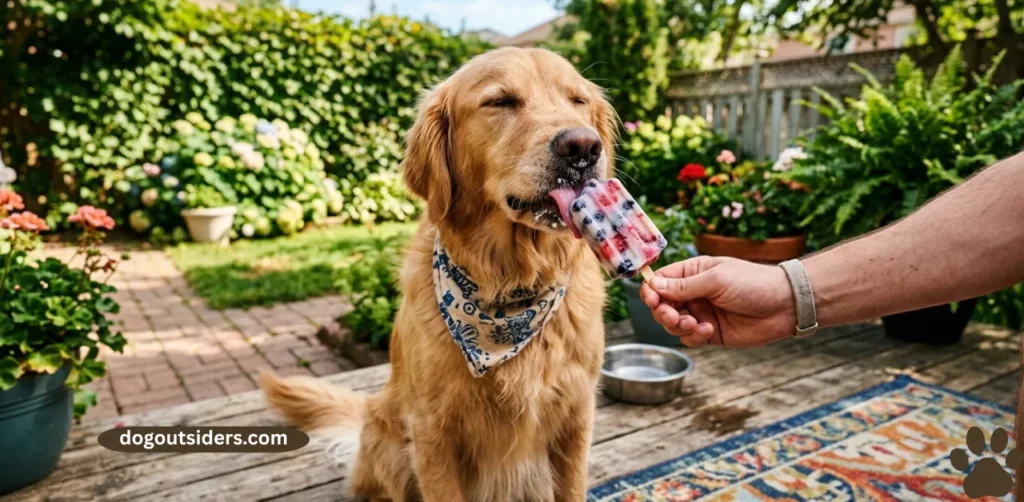
Frozen treats serve three purposes at once. They slow your dog down (licking and chewing takes time), they deliver water-rich ingredients directly, and they provide a mental engagement boost that hot, sluggish summer days often lack.
Does freezing reduce the nutritional value of dog-safe ingredients? Minimally. Most water-soluble vitamins like vitamin C experience slight reduction during freezing, but the core nutritional profile — protein, fiber, potassium, antioxidants — remains largely intact. The hydration benefit alone makes frozen treats a summer essential. (Source: PetMD)
For more warm-weather snack ideas that complement these frozen treats, explore our full guide to nutritious summer snacks for puppies and adult dogs.
Are Frozen Treats Safe for Dogs?
Yes — frozen treats are safe for most dogs when made with dog-approved ingredients. The frozen texture itself poses no danger for adult dogs with healthy teeth. Puppies and senior dogs benefit from slightly softer treats; allow them to thaw for 3–5 minutes before serving. Always supervise your dog with any new food for the first few servings.
7 Homemade Frozen Dog Treats Your Dog Will Love This Summer
Here are 7 complete recipes — each safe, simple, and ready to freeze in under 10 minutes of active prep:
- Peanut Butter Banana Pops — creamy, potassium-rich, and freezer-easy
- Watermelon Mint Cubes — hydrating, 92% water, cooling on hot days
- Blueberry Greek Yogurt Bites — antioxidant-rich with probiotic benefits
- Bone Broth Ice Cubes — savory, sodium-free, and irresistible to picky dogs
- Apple & Carrot Crunch Pops — fiber-rich and satisfying when semi-frozen
- Pumpkin & Coconut Milk Bites — gut-soothing with natural sweetness
- Strawberry Yogurt Freezer Drops — tiny, treat-sized, and perfectly portioned
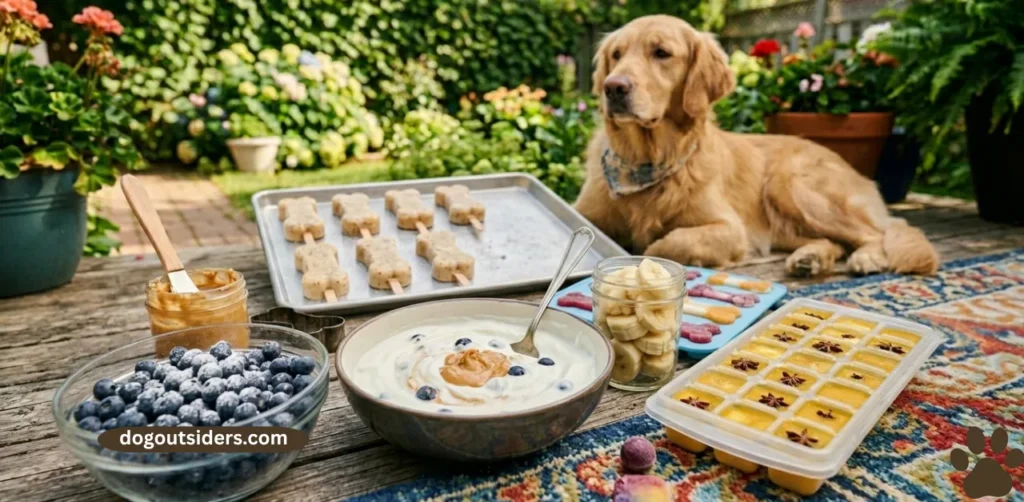
Full recipes below — with ingredients, quantities, and prep steps for each.
Treat 1: Peanut Butter Banana Pops
Why dogs love it: Peanut butter’s rich scent is irresistible. Banana adds natural sweetness and potassium.
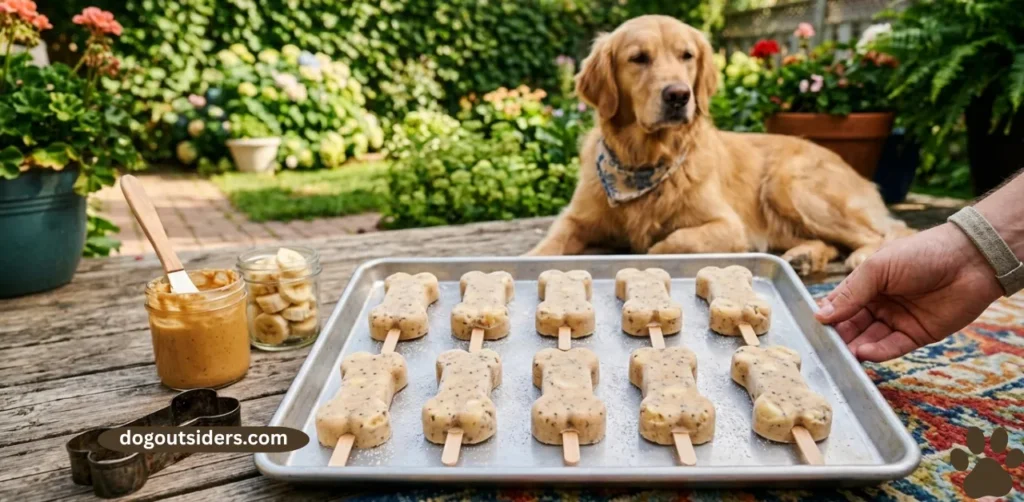
⚠️ Critical safety note: Use only peanut butter that is xylitol-free. Check the label every time — even “natural” peanut butters sometimes contain xylitol, which is rapidly fatal to dogs. (Source: ASPCA Animal Poison Control) Safe options include plain Jif Natural or Smucker’s Natural (verify current labels before use).
Ingredients:
- 2 tablespoons xylitol-free peanut butter
- 1 ripe banana, mashed
- ¼ cup plain water or unsweetened coconut milk
Prep:
- Mash banana thoroughly in a bowl.
- Add peanut butter and water. Mix until smooth.
- Spoon into silicone molds or an ice cube tray.
- Freeze for 4–6 hours or overnight.
Serving note: 1 cube for small dogs (under 25 lbs). 2 cubes for medium to large dogs.
If your dog tends to eat treats eagerly but ignores their regular meals, it’s worth understanding why dogs prefer treats over food before increasing their treat intake.
Treat 2: Watermelon Mint Cubes
Why dogs love it: Watermelon is 92% water — nature’s hydration bomb. The mint adds freshness without overpowering.
⚠️ Safety note: Remove ALL seeds and rind before blending. Seeds risk intestinal blockage; rind is difficult to digest.
Ingredients:
- 1 cup seedless watermelon, cubed
- 2–3 fresh mint leaves (plain — no xylitol gum mint)
- ¼ cup water
Prep:
- Blend watermelon and mint leaves until smooth.
- Pour into ice cube trays or popsicle molds.
- Freeze for 3–4 hours.
Serving note: 1–2 cubes per serving. High water content means generous portions are fine in moderation.
Treat 3: Blueberry Greek Yogurt Bites
Why dogs love it: Blueberries are antioxidant powerhouses. Greek yogurt provides probiotics that support gut health. (Source: AKC)
⚠️ Safety note: Use plain, unsweetened Greek yogurt only. Check for xylitol — some flavored yogurts contain it. Avoid yogurts with artificial sweeteners entirely.
Ingredients:
- ½ cup plain Greek yogurt (no additives)
- ¼ cup fresh or frozen blueberries
- 1 tablespoon honey (optional — skip for diabetic dogs)
Prep:
- Mash blueberries into the yogurt.
- Spoon into silicone mini-molds or use a piping bag to make bite-sized drops on parchment paper.
- Freeze for 2–3 hours.
Serving note: Perfect for small dogs and puppies. 3–5 bites per serving for small breeds; 8–10 for large breeds.
Treat 4: Bone Broth Ice Cubes
Why dogs love it: The savory aroma of bone broth is irresistible — especially for picky eaters. This is the best no-fruit option for dogs who are sensitive to sugars.
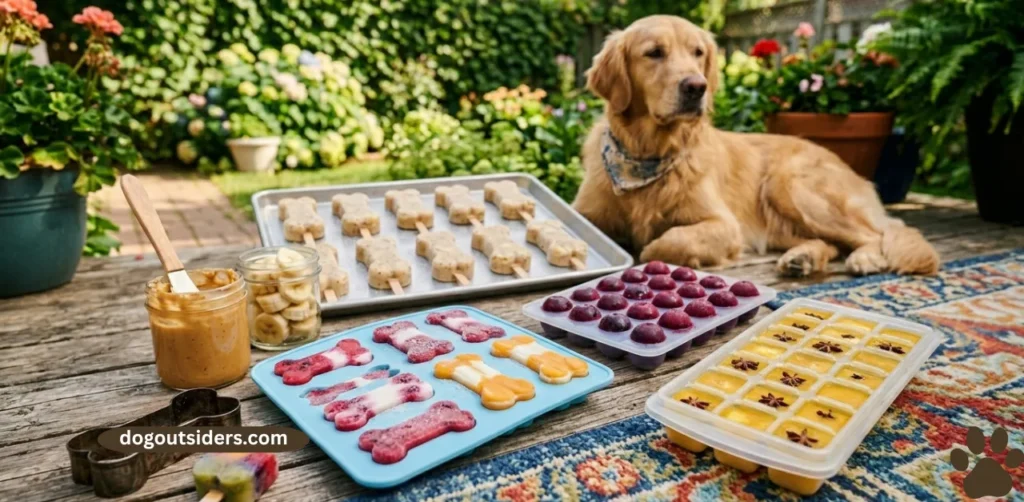
⚠️ Safety note: Use low-sodium or sodium-free bone broth only. Never use store broth with onion or garlic — both are toxic to dogs.
Ingredients:
- 1 cup unsalted, onion-free, garlic-free bone broth (homemade or pet-specific)
- Optional: 1 tablespoon plain pureed pumpkin per cube tray section
Prep:
- Pour broth directly into ice cube trays.
- Add a drop of pumpkin purée to each cube if desired.
- Freeze overnight.
Serving note: 2–3 cubes for small dogs; 4–6 for large breeds. Excellent for senior dogs who need easy-to-consume hydration.
Treat 5: Apple & Carrot Crunch Pops
Why dogs love it: The crunch of semi-frozen carrot satisfies chewing instincts. Apple adds sweetness. Together they’re rich in fiber and beta-carotene.
⚠️ Safety note: Remove apple cores and seeds entirely. Apple seeds contain trace amounts of cyanogenic compounds and must never be fed to dogs.
Ingredients:
- ½ cup unsweetened applesauce (no added sugar or spices)
- ¼ cup finely shredded raw carrot
- ¼ cup plain water
Prep:
- Mix applesauce, carrot, and water.
- Pour into molds. Drop a few carrot shreds into each mold for texture.
- Freeze for 4–5 hours.
Serving note: Great for all ages. For senior dogs, allow to thaw slightly before serving to ease dental strain.
Treat 6: Pumpkin & Coconut Milk Bites
Why dogs love it: Plain pumpkin is one of the most gut-friendly foods for dogs. Coconut milk adds creaminess without dairy. This is an excellent option for dogs with sensitive stomachs.
⚠️ Safety note: Use plain canned pumpkin — not pumpkin pie filling, which contains spices and sugars that are harmful to dogs. Use unsweetened coconut milk without additives.
Ingredients:
- ½ cup plain canned pumpkin
- ¼ cup unsweetened coconut milk
- 1 tablespoon plain Greek yogurt (optional)
Prep:
- Whisk pumpkin and coconut milk together until smooth.
- Spoon into silicone molds.
- Freeze for 4–6 hours.
Serving note: Excellent for dogs with digestive sensitivity. 1–2 cubes per serving regardless of size — pumpkin is fiber-dense.
Treat 7: Strawberry Yogurt Freezer Drops
Why dogs love it: Small, pop-in-your-mouth sized. Strawberries are naturally sweet, low-calorie, and rich in vitamin C.
Ingredients:
- ½ cup plain Greek yogurt
- 4–5 fresh strawberries, hulled and pureed
Prep:
- Blend strawberries into a smooth purée.
- Swirl purée into yogurt — don’t fully mix (creates a marbled effect dogs love).
- Drop teaspoon-sized amounts onto a parchment-lined tray.
- Freeze for 2–3 hours. Store in a zip-lock freezer bag.
Wondering if strawberries are always safe for dogs in every form? Check out our in-depth look at freeze-dried strawberries for dogs for a full breakdown.
Serving note: 5–8 drops for small dogs; 10–15 for larger breeds. These are treats, not meal replacements — keep portions appropriate.
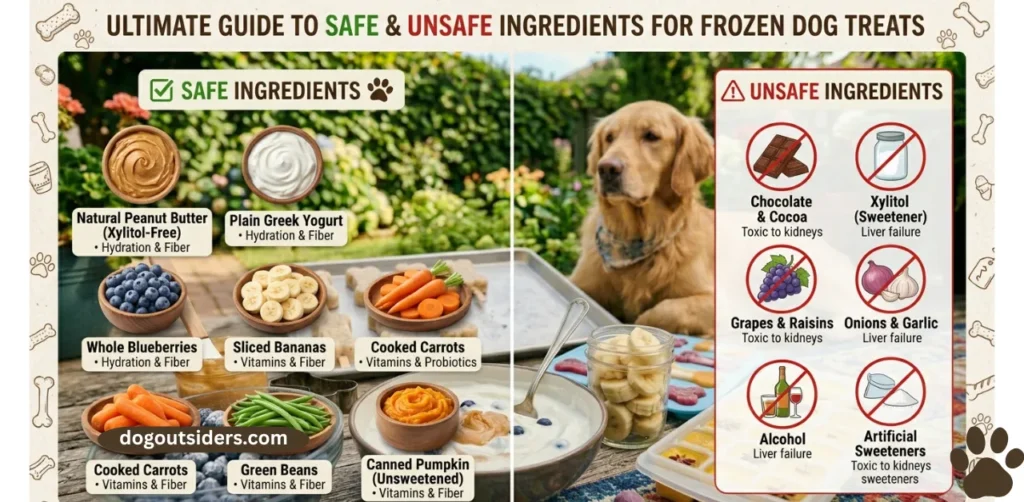
Best Dog-Safe Ingredients for Frozen Treats
What Can I Freeze for My Dog Treats?
You can freeze a wide range of dog-safe whole foods for homemade treats. The best options include: plain Greek yogurt, banana, blueberries, watermelon (seedless), applesauce (no sugar added), plain pumpkin purée, strawberries, cucumber, and low-sodium bone broth. Always use single-ingredient bases and combine only ingredients confirmed safe for dogs.
Here’s your quick-reference guide:
| Ingredient | Safe? | Summer Benefit | Portion Note |
|---|---|---|---|
| Plain Greek yogurt | ✅ Yes | Probiotics, protein | 1–2 tbsp per serving |
| Banana | ✅ Yes (moderation) | Potassium, energy | ½ banana max per day |
| Blueberries | ✅ Yes | Antioxidants | 5–10 berries |
| Watermelon (no seeds/rind) | ✅ Yes | 92% water — hydrating | 1–2 cubes |
| Plain pumpkin purée | ✅ Yes | Gut health, fiber | 1–2 tbsp |
| Applesauce (no sugar) | ✅ Yes | Fiber, vitamins | 1–2 tbsp |
| Strawberries | ✅ Yes | Vitamin C | 2–3 berries |
| Bone broth (no onion/garlic) | ✅ Yes | Hydration, joint support | 2–4 cubes |
| Xylitol (any source) | ❌ Never | — | Toxic — fatal |
| Grapes / Raisins | ❌ Never | — | Kidney failure |
| Chocolate | ❌ Never | — | Toxic |
| Avocado | ❌ Never | — | Contains persin |
| Onion / Garlic | ❌ Never | — | Destroys red blood cells |
Looking for fresh, affordable ingredients? Our article on sourcing fresh market ingredients for dog meals covers cost-effective options perfect for batch treat-making.
What Not to Put in Homemade Dog Treats
What Not to Put in Homemade Dog Treats
Never include xylitol, chocolate, grapes, raisins, onions, garlic, avocado, macadamia nuts, or nutmeg in homemade dog treats. Xylitol is the most hidden danger — it appears in many “natural” peanut butters, sugar-free yogurts, and flavored nut butters. Always read labels fully, even on products you’ve used before. (Source: ASPCA)
The xylitol problem deserves extra attention. Many owners assume “natural” peanut butter is automatically safe. It isn’t. Several popular “natural” brands have introduced xylitol as a sweetener in recent years. Always check the ingredient list for xylitol, birch sugar, or E967 — all the same substance. When in doubt, choose plain peanut butter with the only ingredient being peanuts.
Additional ingredients to avoid:
- Nutmeg — even small amounts cause neurological symptoms in dogs
- Macadamia nuts — muscle weakness, vomiting, hyperthermia within 12 hours
- Citrus oils — lemon and lime juice in high amounts cause GI upset
- Salt — worsens dehydration; especially dangerous in summer heat
- Artificial sweeteners of any kind — not just xylitol; erythritol safety in dogs is also under review
Homemade vs. Store-Bought Frozen Dog Treats
| Factor | Homemade Frozen Treats | Store-Bought Frozen Treats |
|---|---|---|
| Ingredient control | Full — you choose every ingredient | Partial — check all labels carefully |
| Cost per treat | Low — pennies per treat | Higher — $0.50–$2.00+ per treat |
| Nutritional transparency | Complete | Variable |
| Prep time | 10–15 minutes active + freeze time | Zero |
| Xylitol risk | Zero if you choose ingredients | Present in some brands |
| Customization | Full — size, flavor, dietary needs | Limited |
| Shelf life | 2 weeks frozen | Per product label |
Bottom line: Homemade wins on safety, cost, and customization. Store-bought wins on convenience. For summer, a batch of homemade treats prepped on Sunday covers your dog for the whole week.
Tools, Storage & How Long Frozen Dog Treats Last
What Equipment Do You Actually Need?
The barrier to homemade frozen dog treats is mostly imagined. Here’s what you need — and what you don’t:
You need:
- A mixing bowl
- A fork or blender (for smooth recipes)
- Ice cube trays or silicone molds
- A freezer-safe zip-lock bag for storage
You don’t need:
- A stand mixer
- Special dog-treat pans
- A dehydrator
- Any baking at all
Silicone Molds vs Ice Cube Trays
| Feature | Silicone Molds | Ice Cube Trays |
|---|---|---|
| Pop-out ease | Excellent — flexible | Moderate — may need to run under warm water |
| Shape variety | High — paw prints, bones, hearts | Low — standard cube |
| Size options | Wide — mini to large | Standard cube only |
| Price | $8–$15 | $2–$5 |
| Dishwasher safe | Usually yes | Usually yes |
Recommendation: Silicone molds are worth the small investment for cleaner results. Start with ice cube trays if you already have them — they work perfectly for every recipe above.
How Long Do Homemade Frozen Dog Treats Last?
Homemade frozen dog treats last up to 2 weeks in the freezer when stored in airtight zip-lock bags or sealed containers. Label each bag with the date made. Discard any treat that shows frost burn (white, dried-out edges) or has been left out for more than 30 minutes. Never refreeze partially thawed treats.
Frozen Dog Treat Serving Guide by Dog Size ✅
| Dog Size | Weight Range | Treats Per Day | Notes |
|---|---|---|---|
| Extra Small | Under 10 lbs | 1–2 small cubes | Keep portions tiny — high sugar can spike blood sugar |
| Small | 10–25 lbs | 2–3 cubes | Adjust for fruit-heavy treats |
| Medium | 25–50 lbs | 3–4 cubes | Standard serving sizes above apply |
| Large | 50–80 lbs | 4–6 cubes | Double portions work well |
| Extra Large | 80+ lbs | 6–8 cubes | Up to 10 for bone broth cubes |
| Puppy | Any size | 1–2 small cubes | Thaw slightly first — softer texture |
| Senior | Any size | 2–3 soft cubes | Choose softer recipes; thaw before serving |
Treats should never exceed 10% of your dog’s daily caloric intake. Even healthy treats add calories. If your dog is less active in the heat, reduce regular meal portions slightly to compensate.
Common Mistakes to Avoid with Homemade Frozen Dog Treats
Even experienced dog owners make these errors. Here’s what to watch for:
❌ Using flavored or “natural” peanut butter without checking the label
Always verify xylitol-free status. Check every purchase — formulas change.
❌ Serving treats straight from the freezer to puppies or senior dogs
Hard frozen treats can chip teeth or cause discomfort for dogs with dental issues. Thaw for 3–5 minutes first.
❌ Using pumpkin pie filling instead of plain pumpkin purée
Pie filling contains cinnamon, nutmeg, and added sugar — all harmful to dogs. Labels look nearly identical. Read carefully.
❌ Giving too many treats in one sitting
Frozen treats are still treats. Even blueberries in high volume can cause loose stools. Stick to serving sizes by weight.
❌ Storing treats in an open container
Freezer burn develops within days without an airtight seal. Use zip-lock bags, press out air, and label with the date.
❌ Using bone broth with onion or garlic
Standard store broths almost universally contain these. Use only sodium-free, pet-specific broth or make your own at home.
All ingredients and safety guidelines in this article are cross-referenced with the ASPCA Animal Poison Control Center’s current toxic and non-toxic food list, AKC nutritional guidance (2025), and PetMD veterinary nutrition resources. This article was reviewed by Dr. Maya Reyes, DVM, with a specialty in canine nutrition. Consult your vet before introducing new treats to dogs with specific health conditions.
Your Summer Treat-Making Checklist ✅
Before you start, run through this list:
- Peanut butter label checked — xylitol-free confirmed
- Yogurt label checked — plain, unsweetened, no artificial sweeteners
- Watermelon seeds and rind fully removed
- Apple seeds and core removed
- Bone broth confirmed onion-free and garlic-free
- Silicone molds or ice cube trays cleaned and ready
- Storage bags labeled with today’s date
- Portion sizes matched to your dog’s weight
- Puppies’ and seniors’ treats set aside to thaw slightly
- Fresh water available alongside treats
Your Dog Is Going to Love This Summer
Making homemade frozen dog treats is one of those small acts that means everything — to you and to your dog. Ten minutes of prep, a few hours of freezing, and suddenly your dog has seven different ways to cool down, hydrate, and feel genuinely taken care of.
Start with the Peanut Butter Banana Pops — they’re the easiest and almost universally dog-approved. Then try a different recipe each week until you find your dog’s personal favorite.
If you’re building out your full summer dog care routine, our guide to quick & healthy summer dog meals pairs perfectly with these frozen treat recipes.
Bookmark this page for the whole summer season. Share it with a dog owner who deserves to see that look on their pup’s face — the one where everything is cool, sweet, and completely perfect.
Frequently Asked Questions
Making homemade frozen dog treats is simple. Blend or mix dog-safe ingredients like peanut butter, banana, plain Greek yogurt, or pureed pumpkin. Pour the mixture into silicone molds or ice cube trays. Freeze for 3–6 hours until solid. Pop them out and serve, or store in a sealed freezer bag for up to two weeks. No baking required.
You can freeze plain Greek yogurt, banana, blueberries, seedless watermelon, unsweetened applesauce, plain pumpkin purée, strawberries, and low-sodium bone broth. Mix and match these ingredients in silicone molds for variety. Always use single, whole ingredients — avoid anything with xylitol, artificial sweeteners, added salt, or spices. Freeze for 3–6 hours before serving.
The healthiest homemade frozen dog treat combines plain Greek yogurt with blueberries. Yogurt provides probiotics for gut health; blueberries deliver antioxidants and vitamin C with minimal sugar. This combination is low-calorie, hydrating, and appropriate for most dogs including seniors and puppies when portioned correctly. Freeze in small bite-sized drops for easy serving.
Never include xylitol, chocolate, grapes, raisins, onions, garlic, avocado, macadamia nuts, or nutmeg. Xylitol is the most hidden danger — it appears in many “natural” peanut butters and sugar-free yogurts. Always read every label before use. Avoid salt, artificial sweeteners, and citrus oils as well. When in doubt, use single whole-food ingredients with no additives.
Yes, puppies can have homemade frozen dog treats with a small adjustment. Allow the treats to thaw for 3–5 minutes before serving — hard frozen textures can be uncomfortable for puppy teeth. Keep portions very small: 1–2 mini cubes per serving. Choose simple, gentle recipes like plain pumpkin bites or diluted bone broth cubes rather than high-sugar fruit-based options.
Homemade frozen dog treats last up to two weeks in the freezer when stored in airtight zip-lock bags. Press out excess air before sealing and label each bag with the preparation date. Discard any treat showing freezer burn — dry, white edges indicate moisture loss. Never refreeze treats that have been fully thawed, as bacterial growth risk increases significantly.
Yes — the right frozen treats actively support dogs with sensitive stomachs. Plain pumpkin purée frozen with coconut milk is one of the best choices; pumpkin is a veterinarian-recommended digestive aid for dogs with GI sensitivity. Avoid high-fat ingredients like excess peanut butter and dairy-heavy bases. Start with a single small treat and monitor for 24 hours before regular serving.